

Uganda, famously dubbed the “Pearl of Africa” by Winston Churchill, is a land of staggering natural beauty and profound cultural richness. For those seeking a comprehensive Uganda Travel Guide, this country offers an unparalleled blend of adventure, wildlife, and hospitality that stays with you long after you leave. From the snow-capped peaks of the Rwenzori Mountains to the vastness of Lake Victoria, every corner of this nation tells a story of resilience and splendor.
At Go Pona Journeys, we are passionate about showing you the authentic side of this East African gem. Whether you are trekking through the misty forests of Bwindi or navigating the bustling streets of Kampala, our Uganda Travel Guide is designed to help you make the most of every moment in 2026. We believe that travel should be more than just sightseeing; it should be a soul-stirring experience that connects you with the heart of the continent.
The year 2026 marks a significant era for Ugandan tourism, with improved infrastructure and a renewed focus on sustainable travel. As you plan your adventure, our Uganda Travel Guide will serve as your essential companion, offering insights into both iconic landmarks and hidden treasures that few travelers ever see. We invite you to join us on a journey that celebrates the wild, the cultural, and the extraordinary.
Primate Encounters: The Heart of Uganda’s Wildlife
When you consult a Uganda Travel Guide, primate tracking is almost always the headline act. Uganda is uniquely positioned as a global hub for primate conservation, offering intimate encounters that are both ethical and awe-inspiring.
Gorilla Trekking in Bwindi Impenetrable National Park
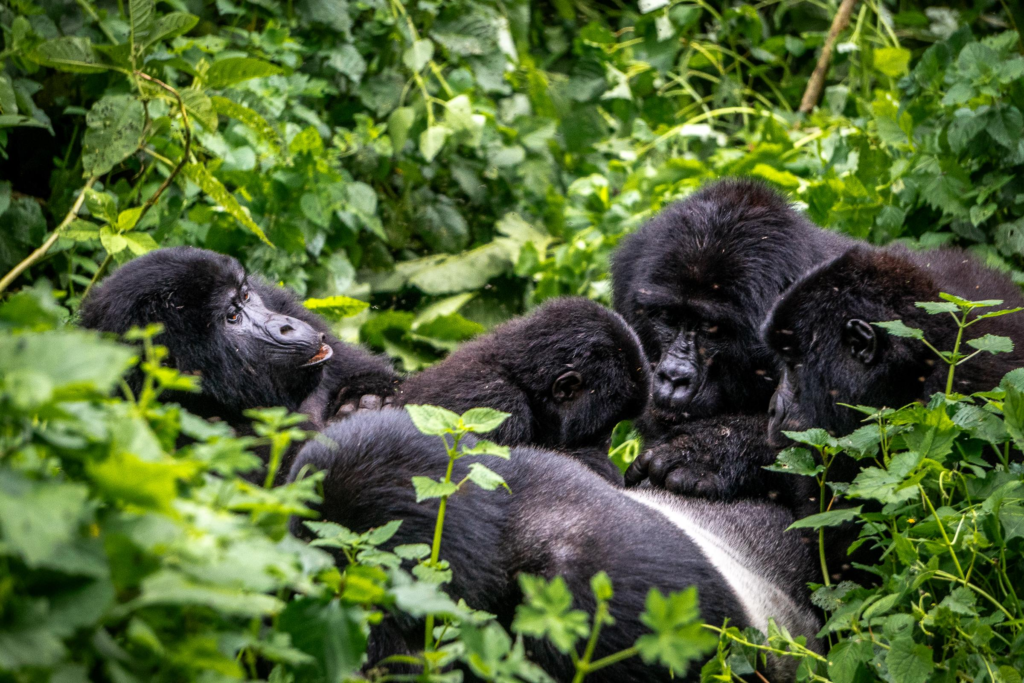
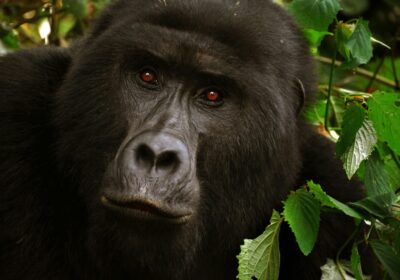
The cornerstone of any Uganda Travel Guide is mountain gorilla trekking. Bwindi Impenetrable National Park is a UNESCO World Heritage site and home to roughly half of the world’s remaining mountain gorilla population.
Trekking through the dense, ancient forest is a physical challenge, but the reward of spending an hour with a gorilla family is beyond words. The silence of the forest is broken only by the rustle of leaves and the gentle grunts of these peaceful giants. In 2026, conservation efforts continue to thrive, ensuring that your visit directly supports the protection of these magnificent creatures and their habitat. Every permit purchased contributes to the survival of the species and the empowerment of local communities.
The experience begins early in the morning with a briefing from the park rangers, who share essential safety tips and fascinating facts about gorilla behavior. As you hike through the undergrowth, the anticipation builds with every step. Our Uganda Travel Guide emphasizes that while the trek can be strenuous, the sight of a silverback presiding over his family makes every ounce of effort worthwhile.
For a more immersive experience, we recommend the Gorilla Habituation Experience in the Rushaga sector. This allows for four hours of observation, providing a deeper understanding of gorilla social dynamics and the work of researchers. This exclusive opportunity is a highlight of any premium Uganda Travel Guide, offering a rare glimpse into the process of bringing wild gorillas into the presence of humans for conservation purposes.
Chimpanzee Tracking in Kibale National Park
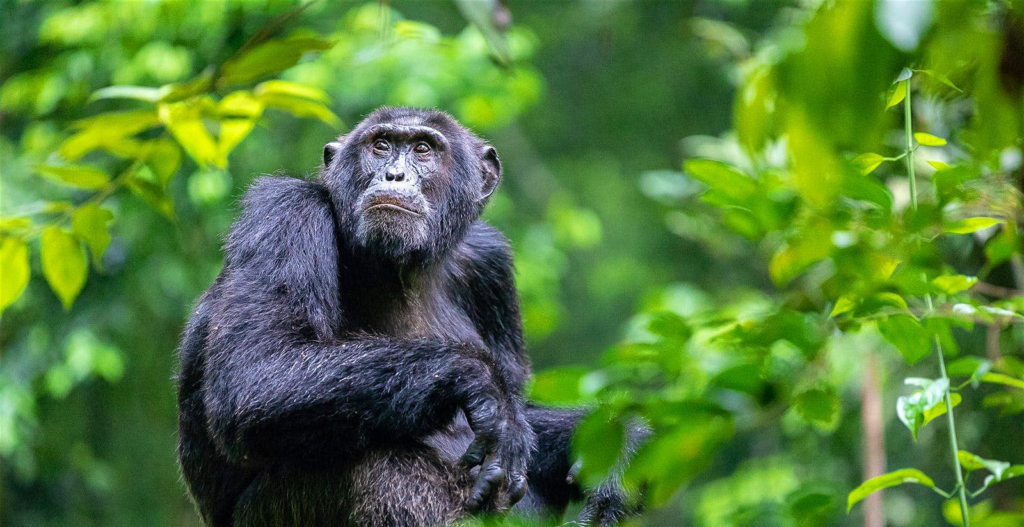
Beyond the gorillas, Uganda is the “Primate Capital of the World.” Kibale National Park hosts 13 different primate species, with chimpanzees being the main attraction.
Tracking these vocal and energetic primates through the rainforest is a sensory experience like no other. The forest floor is alive with activity, and the air is thick with the scent of damp earth and tropical flora. The pant-hoots echoing through the canopy serve as a wild soundtrack to your adventure, signaling the presence of our closest biological relatives.
Kibale is not just about chimpanzees; it is a biodiversity hotspot. As you track the chimps, you might also spot the rare L’Hoest’s monkey, the red colobus, or the grey-cheeked mangabey. Our Uganda Travel Guide suggests keeping your binoculars ready, as the birdlife here is equally spectacular, with the Great Blue Turaco being a frequent sight.
Our Uganda Travel Guide also highlights the Kyambura Gorge in Queen Elizabeth National Park. This “underground forest” offers a dramatic backdrop for chimpanzee tracking, where you can see these primates in a unique sunken ecosystem. The contrast between the open savannah above and the lush rainforest within the gorge is one of the most striking visual experiences in Uganda. It is a hidden world that feels like a scene from a prehistoric era.
Savannah Safaris: The Big Seven Experience
While many countries boast the “Big Five,” our Uganda Travel Guide introduces you to the “Big Seven.” This includes the traditional lion, leopard, elephant, buffalo, and rhino, plus the mountain gorilla and the chimpanzee.
Murchison Falls National Park: Power and Grace
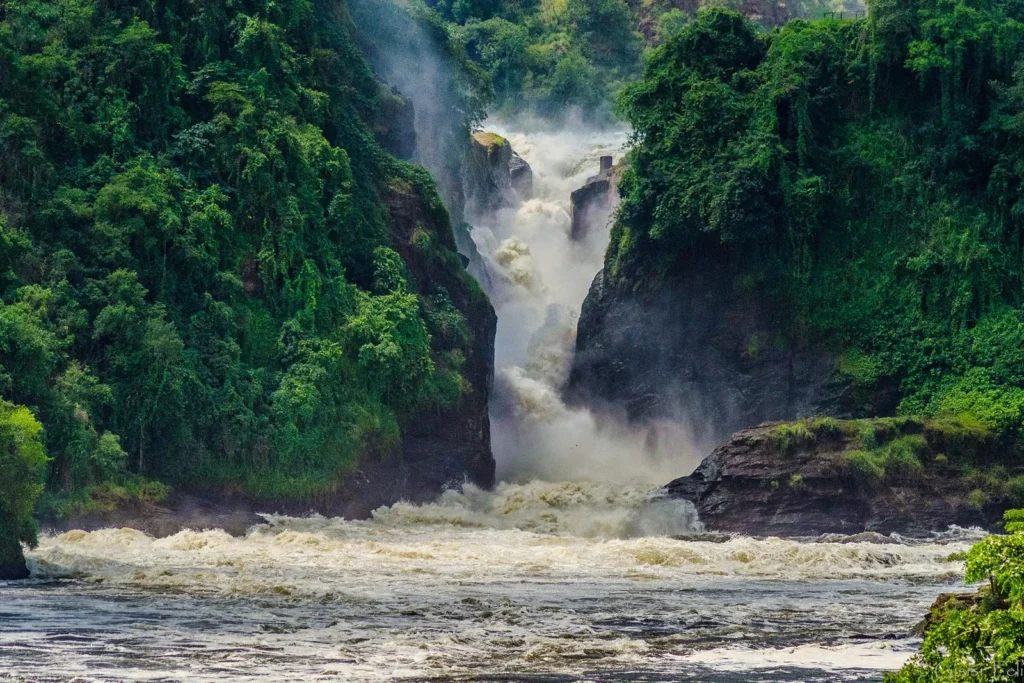
Murchison Falls National Park is Uganda’s largest and oldest conservation area. It is where the mighty Nile River squeezes through a narrow 7-meter gorge before plunging 43 meters below.
A boat safari to the base of the falls is an essential part of any Uganda Travel Guide. As you glide along the Nile, you will see hippos yawning in the water, crocodiles sunning themselves on the banks, and herds of elephants coming down for a drink. The roar of the water grows louder as you approach the base, providing a powerful and unforgettable backdrop to your wildlife viewing.
For those who enjoy a bit of hiking, the trek to the top of the falls offers a different perspective. You can feel the ground tremble as the massive volume of water forces its way through the gorge. Our Uganda Travel Guide recommends this hike for its spectacular views and the sheer sense of natural power it conveys.
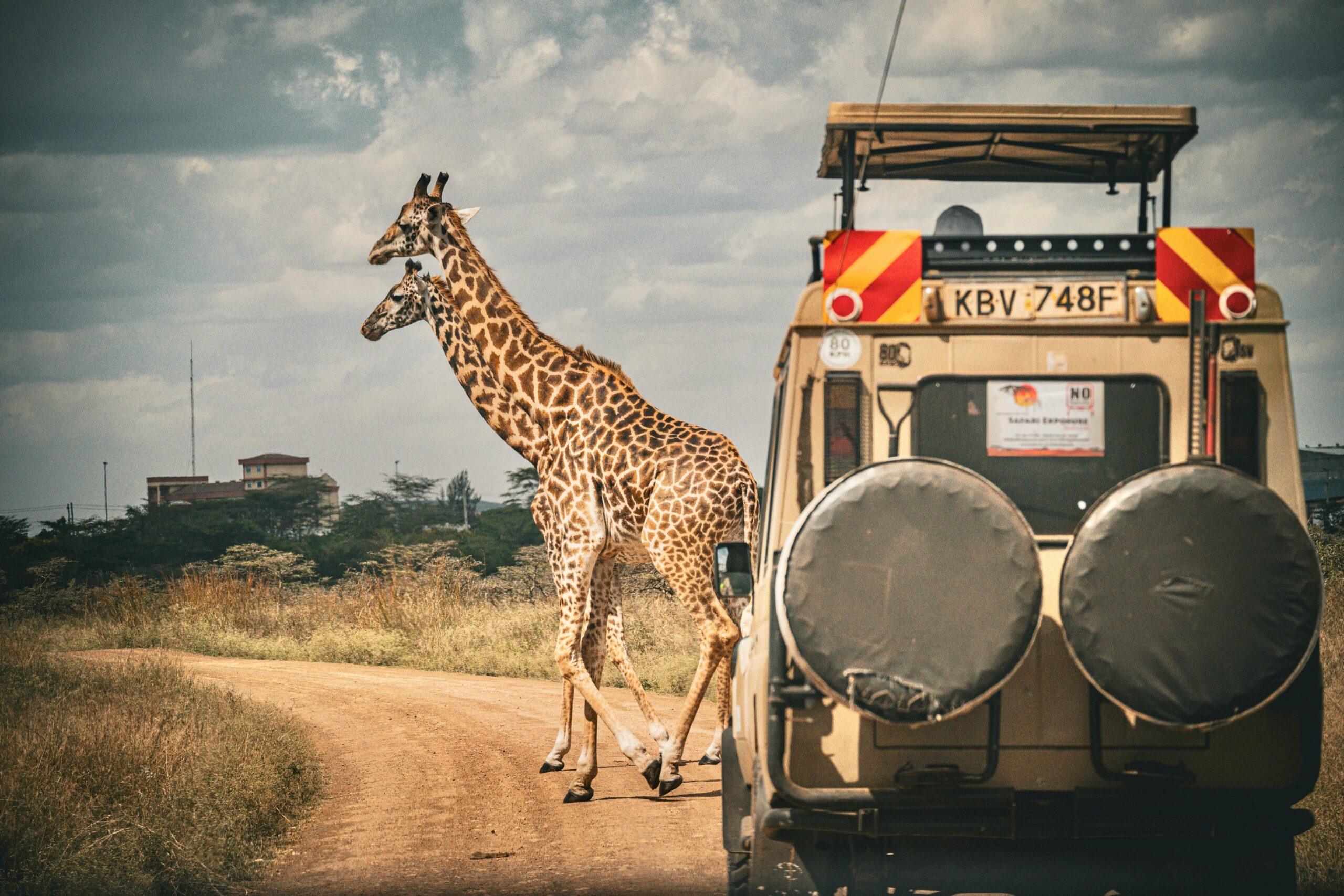
The northern sector of the park is perfect for game drives. Here, you can spot the rare Rothschild’s giraffe, lions, and leopards roaming the savannah. The open plains are also home to Jackson’s hartebeest, Oribis, and Uganda Kobs. This diversity makes Murchison Falls a staple in any comprehensive Uganda Travel Guide, offering a complete safari experience in a single destination.
Queen Elizabeth National Park: The Tree-Climbing Lions
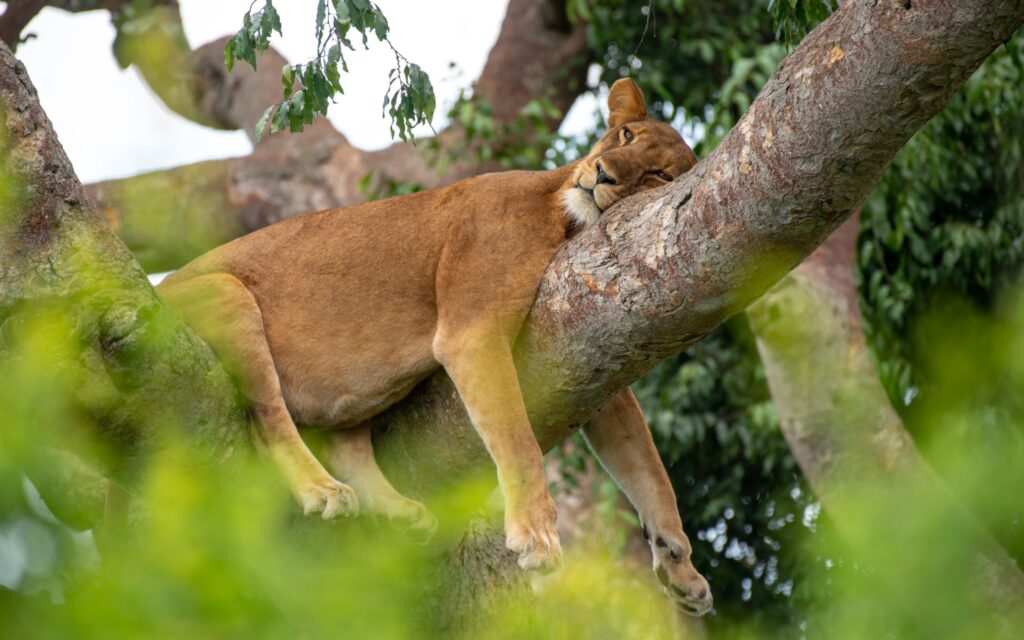
No Uganda Travel Guide would be complete without mentioning Queen Elizabeth National Park. This park is famous for its tree-climbing lions in the Ishasha sector.
Witnessing these majestic predators lounging on fig tree branches is a rare and spectacular sight that few other places in Africa can offer. The lions use the trees to escape the heat and the insects of the forest floor, providing a unique photographic opportunity for travelers. Our Uganda Travel Guide notes that the Ishasha sector is a must-visit for anyone interested in feline behavior and stunning landscapes.
The park also features the Kazinga Channel, a 40-kilometer natural waterway that connects Lake Edward and Lake George. This channel has one of the world’s highest concentrations of hippos, and a boat cruise here is a relaxing way to view wildlife at close range. You will see buffaloes, elephants, and waterbucks cooling off along the banks.
A channel boat cruise is also a highlight for birdwatchers, with over 600 species recorded in the park, including the African Skimmer, Malachite Kingfisher, and the elusive Shoebill Stork. This density of life is a testament to why Uganda remains a top destination in any Uganda Travel Guide. The combination of water, savannah, and forest ecosystems makes Queen Elizabeth National Park a microcosm of Uganda’s natural beauty.
Adventure Capital: Thrills at the Source of the Nile
For the adrenaline seekers, the Uganda Travel Guide points directly to Jinja. Known as the “Adventure Capital of East Africa,” Jinja is situated at the source of the White Nile.
White-Water Rafting and Kayaking
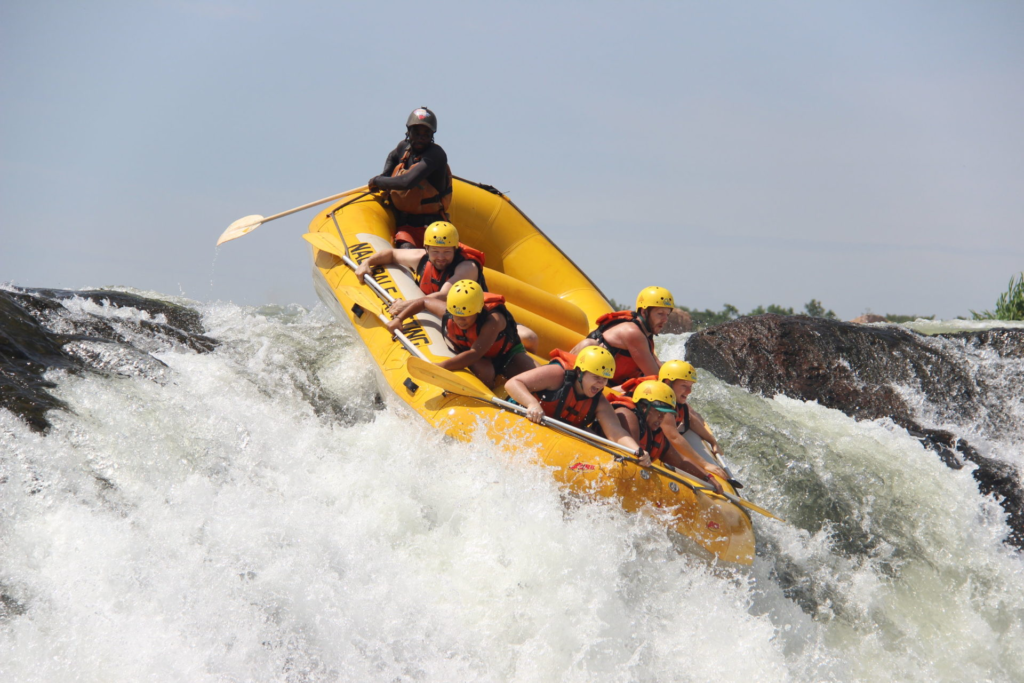
Rafting the Grade 5 rapids of the Nile is a heart-pounding experience that defines the adventurous spirit of any Uganda Travel Guide. The river’s warm waters and spectacular scenery make it one of the best places in the world for white-water rafting. Whether you are a beginner looking for a fun day out or an expert seeking a technical challenge, the Nile offers various levels of thrills that cater to all preferences.
The experience is led by professional guides who ensure your safety while maximizing the fun. As you navigate the rapids, you will also have moments of calm where you can enjoy the lush riverbanks and the diverse birdlife. This balance of adrenaline and serenity is a hallmark of the activities featured in our Uganda Travel Guide.
If you prefer something more controlled, kayaking or tubing down the river provides a unique perspective of the landscape. Tubing, in particular, has become a popular way to relax and soak in the sun while drifting slowly with the current. These activities are perfect for those who want to combine adventure with the natural beauty of the Nile valley, making Jinja a versatile destination in any Uganda Travel Guide.
Bungee Jumping and Zip-Lining
For those who want to take to the skies, Jinja offers bungee jumping over the Nile. It is a terrifying yet exhilarating leap that many travelers consider a highlight of their Uganda Travel Guide itinerary.
In the nearby Mabira Forest, you can go zip-lining through the canopy. This “canopy super-skyway” allows you to see the forest from a bird’s-eye view, often spotting monkeys and rare birds along the way.
Cultural Immersion: 56 Tribes, One Nation
Uganda’s greatest asset is its people. A truly valuable Uganda Travel Guide must include opportunities to connect with the local cultures and traditions that make this country so vibrant.
The Batwa Experience
In the southwest, the Batwa people the original “keepers of the forest” share their ancient knowledge of forest survival. This cultural trail near Bwindi is a poignant addition to any Uganda Travel Guide.
You will learn about traditional medicine, fire-making, and the stories that have been passed down through generations. This experience provides a vital cultural context to your primate trekking adventure, allowing you to see the forest through the eyes of its original inhabitants. Our Uganda Travel Guide emphasizes that these interactions are conducted with respect and provide a sustainable income for the Batwa communities.
The Batwa’s knowledge of the forest is immense. They can identify hundreds of plants with medicinal properties and track animals with uncanny accuracy. Sharing a meal or listening to their songs around a fire is a deeply moving experience that adds a layer of humanity to the wild landscapes of Uganda.
Kampala Nightlife and Urban Culture
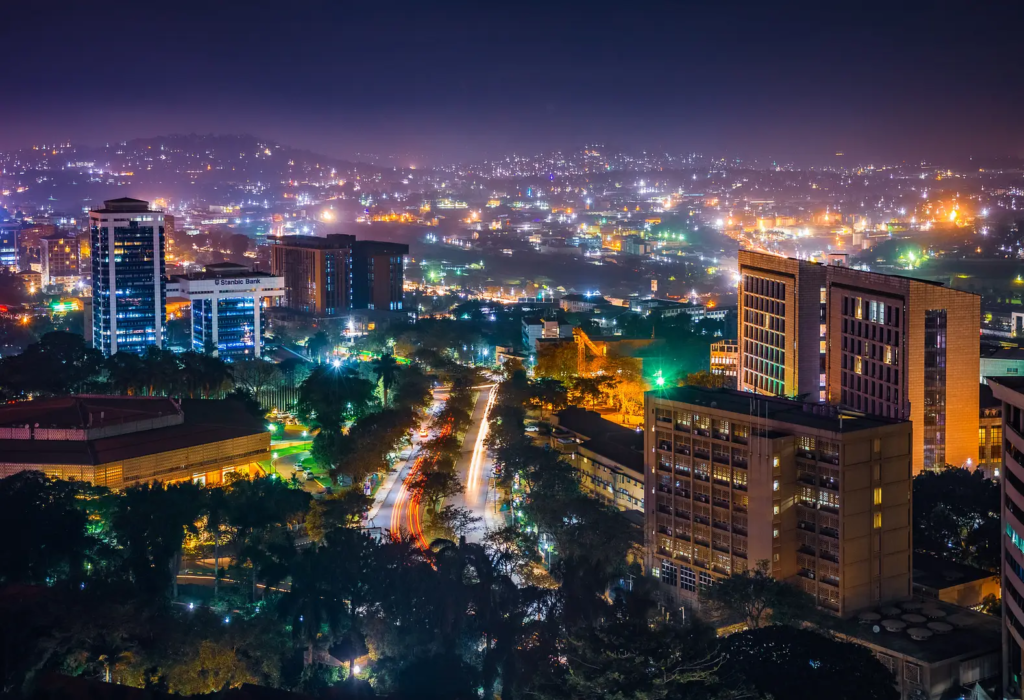
Kampala, the capital city, is known for its legendary nightlife and is often cited as the city that never sleeps. Our Uganda Travel Guide recommends exploring the city’s vibrant bars, lounges, and restaurants where the music and the conversation flow freely. The city’s social scene is a melting pot of cultures, reflecting the diverse ethnic groups that call Kampala home.
From traditional dance performances at the Ndere Centre, which showcase the music and dance of Uganda’s various tribes, to the modern Afro-beats and international hits in the clubs of Kololo and Industrial Area, Kampala’s energy is infectious. It is a city where you can truly feel the pulse of modern Uganda, balancing its historical roots with a forward-looking, cosmopolitan flair.
Our Uganda Travel Guide also suggests visiting the local markets, such as Owino or Nakasero, to experience the city’s commercial heart. The sights, sounds, and smells of these markets are a sensory feast, offering everything from fresh produce to intricately woven textiles. Engaging with the vendors and trying local street food like “Rolex” (a rolled chapati with eggs) is an essential Kampala experience.
Practical Information: Planning Your 2026 Trip
To make your journey seamless, this Uganda Travel Guide includes essential practical tips for your 2026 adventure.
Best Time to Visit
The best time to visit Uganda is during the dry seasons: June to August and December to February. These months are ideal for gorilla trekking and wildlife viewing as animals gather around water sources.
However, the “green season” (March to May and September to November) offers lush landscapes, dramatic skies, and fewer crowds. This is often the preferred time for photographers and birdwatchers in any Uganda Travel Guide, as the migratory birds are present and the vegetation is at its most vibrant. Traveling during this time can also be more budget-friendly, with many lodges offering seasonal discounts.
Each season has its own unique charm. The dry season is perfect for those who want the best chance of seeing animals in the open, while the wet season is for those who appreciate the raw, untamed beauty of the rainforest. Regardless of when you choose to visit, our Uganda Travel Guide ensures you are prepared for the conditions.
Visa and Health Requirements
Most travelers require a visa to enter Uganda, which can be applied for online through the official e-visa portal. We recommend the East Africa Tourist Visa if you plan to visit Kenya or Rwanda as well. For $100, it grants you 90-day access to all three countries, making it a cost-effective and convenient option for regional travel. It is a game-changer for anyone following a multi-country Uganda Travel Guide itinerary.
Health-wise, a Yellow Fever vaccination certificate is mandatory for all travelers. We also strongly advise taking malaria prophylaxis, as most of Uganda is a high-risk area. Ensuring your routine vaccinations such as Hepatitis A and B, Typhoid, and Tetanus are up to date is essential before following this Uganda Travel Guide.
It is also wise to carry a basic first-aid kit and any personal medications you may need. While major cities like Kampala and Entebbe have good medical facilities, the more remote areas where you will be trekking or on safari have limited access to healthcare. Our Uganda Travel Guide suggests having comprehensive travel insurance that includes medical evacuation for peace of mind.
FAQ: Your Questions About Uganda Answered
Q1: Is it safe to travel to Uganda?
Uganda is generally safe for travelers, and the people are among the most welcoming in Africa. However, like any destination, it is important to take standard safety precautions. Our Uganda Travel Guide recommends avoiding walking alone at night in major cities, keeping your valuables secure, and staying informed about local conditions. Traveling with a reputable operator like Go Pona Journeys ensures you have local support and expertise throughout your trip.
Q2: What is the “Rolex” mentioned in the guide?
The “Rolex” is a popular Ugandan street food consisting of a chapati rolled with an omelet and often filled with vegetables like tomatoes, cabbage, and onions. The name is a play on “rolled eggs.” It is a delicious, affordable, and ubiquitous snack that you must try during your visit. Our Uganda Travel Guide considers it a culinary highlight of any urban exploration in Kampala.
Q3: How do I get a gorilla trekking permit?
Gorilla permits must be secured in advance through the Uganda Wildlife Authority (UWA) or a registered tour operator. Due to high demand, especially in the dry seasons, we recommend booking your permits at least six months to a year in advance. As part of our service, Go Pona Journeys handles the entire permit acquisition process for you, ensuring a stress-free experience as outlined in this Uganda Travel Guide.
Q4: What currency is used in Uganda?
The official currency is the Uganda Shilling (UGX). While US Dollars are widely accepted for large payments like park fees and lodge bills, it is essential to have local currency for smaller purchases, tipping, and local markets. Our Uganda Travel Guide advises that US Dollar bills must be crisp, clean, and printed after 2006 to be accepted. ATMs are available in major towns, but it is always good to carry some cash as a backup.
Q5: Can I see the “Big Five” in Uganda?
Yes, you can see the “Big Five” (lion, leopard, elephant, buffalo, and rhino) in Uganda. Rhinos can be seen at the Ziwa Rhino Sanctuary, which is a successful breeding project aimed at reintroducing rhinos to the national parks. The other four can be found in parks like Murchison Falls and Queen Elizabeth. Our Uganda Travel Guide takes it a step further by introducing you to the “Big Seven,” adding gorillas and chimpanzees to the list for a truly unique African safari.
Conclusion: Your Journey Begins with Go Pona Journeys
Uganda is more than just a destination; it is an experience that transforms you. This Uganda Travel Guide has only scratched the surface of what this incredible country has to offer.
At Go Pona Journeys, we are here to help you craft a bespoke itinerary that reflects your interests and values. From the misty mountains to the roaring falls, we ensure your Ugandan adventure is nothing short of extraordinary.
Contact Go Pona Journeys today to start planning your ultimate 2026 Ugandan safari. Let us show you why the Pearl of Africa is the heart of every traveler’s dream.
Uganda stands among Africa’s most rewarding travel destinations. Known as the “Pearl of Africa,” this remarkable country offers an exceptional blend of wildlife, landscapes, culture, and warm hospitality. For travelers seeking authenticity, diversity, and meaningful experiences, Uganda delivers on every level.
The practical examples make the technical concepts easier to apply.
portfolio analysis