

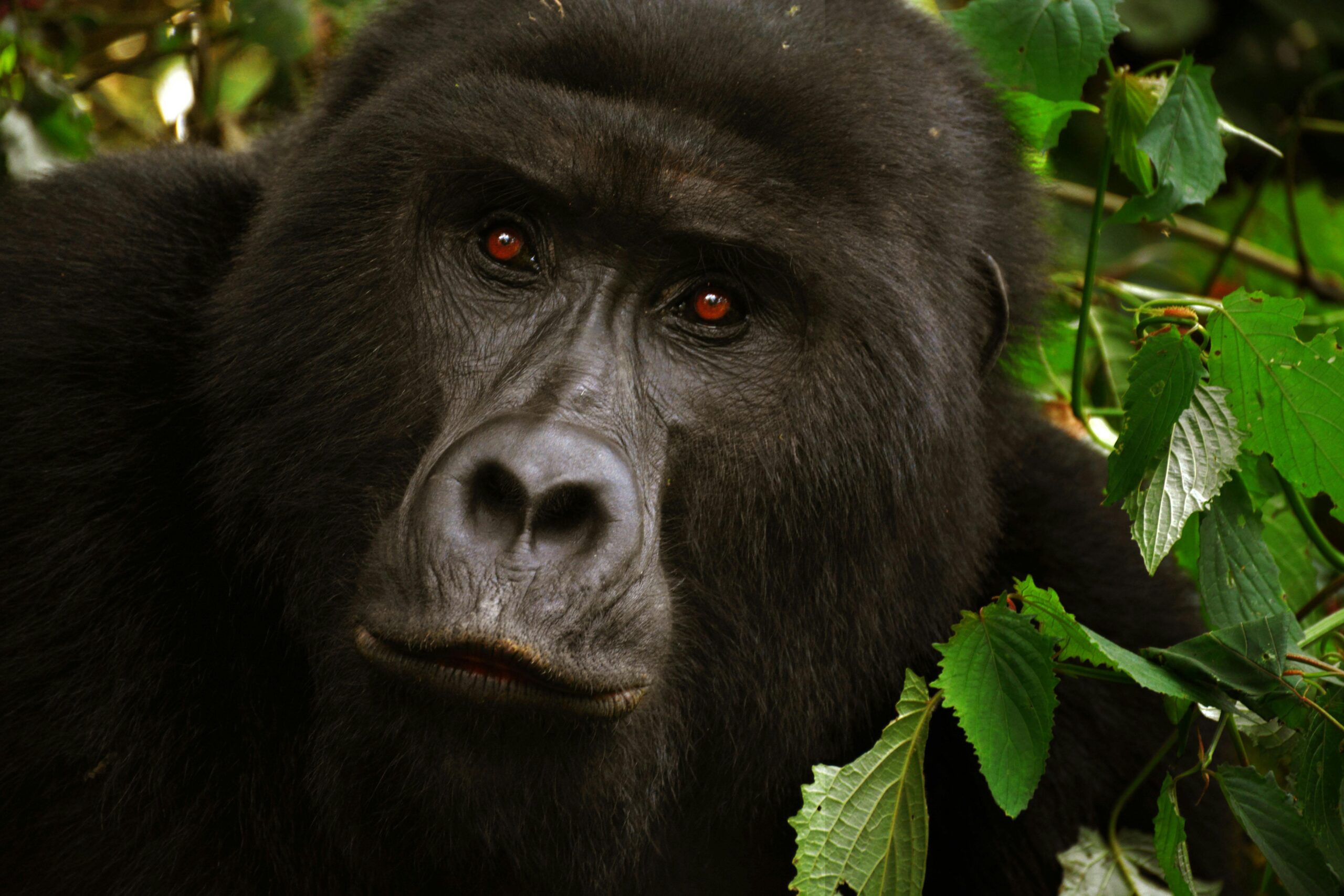
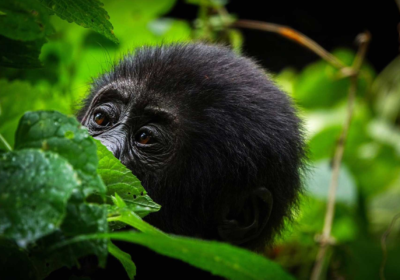
Imagine standing in the hushed, emerald embrace of an ancient rainforest, the air thick with the scent of damp earth and exotic flora. Suddenly, a rustle in the dense foliage, and then, a pair of intelligent, soulful eyes meet yours. This isn’t a dream; it’s the profound reality of a Uganda gorilla trekking experience, an encounter so intimate and transformative it redefines your connection to the natural world. Uganda, a land of breathtaking landscapes and unparalleled biodiversity, is home to over half of the world’s remaining mountain gorillas, making it the premier destination for this once-in-a-lifetime adventure. This comprehensive guide will navigate you through everything you need to know, from choosing between the iconic Bwindi Impenetrable National Park and the serene Mgahinga Gorilla National Park, to securing your permits, understanding costs, and preparing for an unforgettable journey. We’ll delve into the nuances of each park, ensuring you’re equipped with the insights to plan your perfect gorilla trekking safari with Go Pona Journeys.
Why Uganda for Gorilla Trekking?
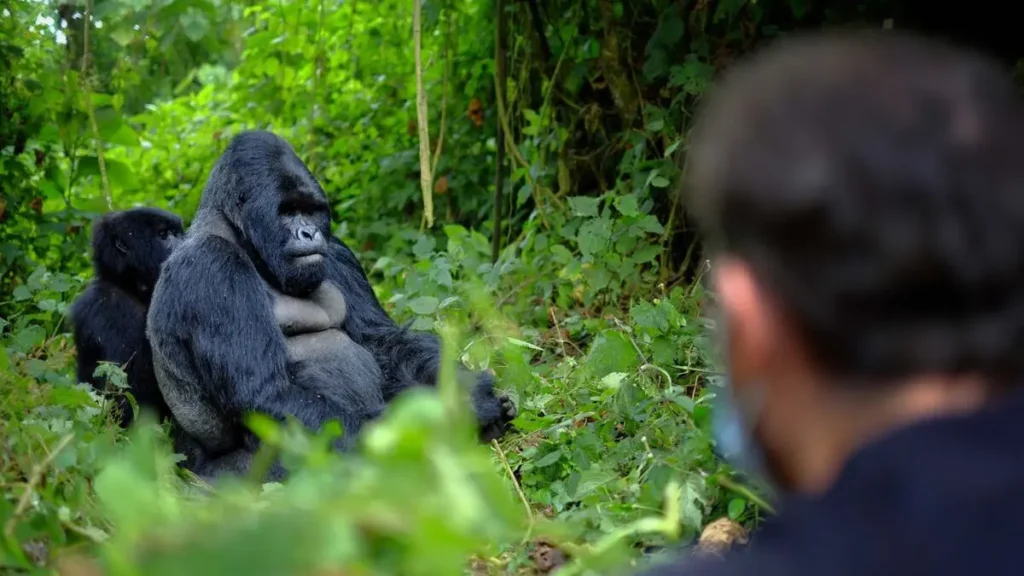
Uganda’s prominence as a gorilla trekking destination is not merely a matter of geography; it is a testament to its unwavering commitment to conservation and its unique ecological offerings. The country shelters approximately 50% of the global mountain gorilla population, primarily within its two designated national parks . This remarkable concentration provides an unparalleled opportunity for visitors to witness these magnificent primates in their natural habitat.
The narrative of mountain gorilla conservation in Uganda is a resounding success story. Decades ago, these gentle giants faced imminent extinction, with their numbers dwindling to a perilous few hundred. Through concerted efforts by the Ugandan government, the Uganda Wildlife Authority (UWA), international conservation organizations, and the vital involvement of local communities, the mountain gorilla population has steadily rebounded, now exceeding 1,000 individuals worldwide . When you embark on a Uganda gorilla trekking safari, you are not merely a tourist; you become an integral part of this ongoing conservation triumph, with a significant portion of your permit fee directly funding anti-poaching initiatives, veterinary care, and community development projects .
Furthermore, Uganda offers a compelling value proposition compared to its East African counterparts. While the experience is inherently invaluable, the gorilla permit Uganda cost is generally more accessible, allowing more travelers to partake in this extraordinary adventure without compromising the quality or ethical standards of the trek. This blend of conservation success, abundant gorilla populations, and relative affordability firmly establishes Uganda as the ultimate destination for an authentic and impactful gorilla trekking experience.
Bwindi Impenetrable National Park: The Jungle Titan
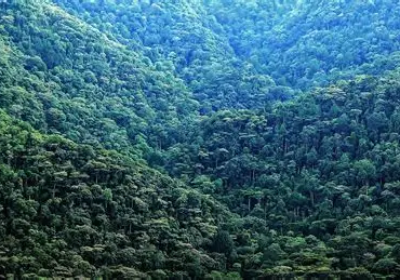
Bwindi Impenetrable National Park a UNESCO World Heritage Site, stands as Uganda’s premier destination for gorilla trekking. Its name,
‘Impenetrable,’ aptly describes its dense, ancient rainforest, characterized by steep, mist-shrouded hills and valleys . This vast, biodiverse park is home to the largest single population of mountain gorillas in the world, distributed across four distinct sectors: Buhoma, Ruhija, Rushaga, and Nkuringo . Each sector offers a unique starting point and access to different gorilla families, allowing for varied trekking experiences and accommodation options.
Bwindi’s Diverse Sectors
•Buhoma: Located in the north, Buhoma is the most popular and easily accessible sector, known for its well-developed infrastructure and a good selection of lodges. It offers a classic trekking experience with several habituated families.
•Ruhija: Situated in the east, Ruhija is known for its higher altitude and cooler climate. It offers a more challenging trek but rewards visitors with stunning views and unique birdwatching opportunities.
•Rushaga: In the south, Rushaga boasts the highest number of gorilla families, offering excellent permit availability. It is also the only sector where the Gorilla Habituation Experience is currently available.
•Nkuringo: The southwestern sector, Nkuringo, is renowned for its strenuous treks due to its steep terrain. However, the panoramic views and the sense of accomplishment upon reaching a gorilla family are immensely rewarding.
The trekking experience in Bwindi is a physically demanding yet profoundly rewarding endeavor. Hikes can range from two to eight hours, sometimes longer, depending on the location of the assigned gorilla family and the terrain. The trails are often steep, muddy, and can be challenging, especially during the wet seasons. A good level of physical fitness is recommended, but the exhilaration of spending an hour observing a gorilla family in their natural habitat makes every step worthwhile .
Gorilla Habituation Experience: A Deeper Dive

For those seeking a more immersive and extended encounter, the Gorilla Habituation Experience (GHE ) in Bwindi offers an unparalleled opportunity. Currently available only in the Rushaga sector, this exclusive experience allows visitors to spend up to four hours with a semi-habituated gorilla family, accompanied by researchers and trackers . Unlike the standard one-hour trek, the GHE provides a deeper insight into the gorillas’ natural behaviors as they continue to acclimate to human presence. The group size is limited to a maximum of four participants, ensuring a minimal human impact and a truly intimate observation opportunity. The gorilla permit Uganda cost for the habituation experience is higher, reflecting its exclusivity and extended duration, but it offers a unique perspective on these magnificent creatures.
Mgahinga Gorilla National Park: The Volcanic Alternative
Nestled further south, bordering Rwanda and the Democratic Republic of Congo, lies Mgahinga Gorilla National Park, Uganda’s smallest national park. Despite its size, Mgahinga offers a distinct and equally captivating gorilla trekking experience, set against the dramatic backdrop of the Virunga Mountains . This park is often chosen by travelers seeking a quieter, more scenic trek with fewer crowds.
Why Choose Mgahinga?
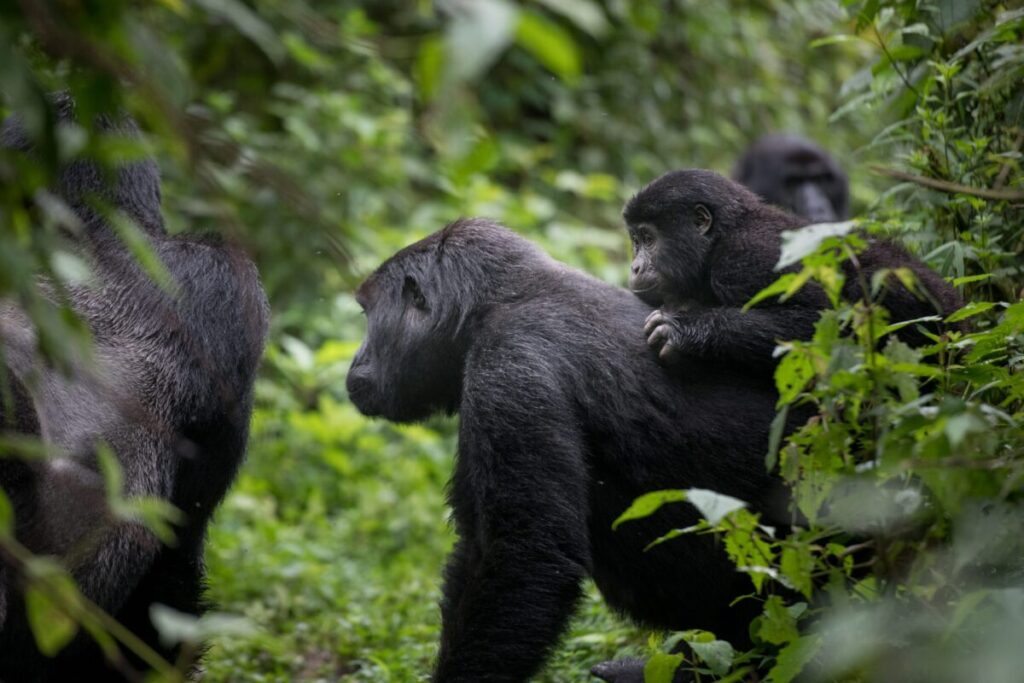
Mgahinga’s unique appeal stems from several factors:
•Volcanic Vistas: Trekking in Mgahinga takes place along the slopes of dormant volcanoes, offering breathtaking panoramic views of the surrounding landscapes, including the iconic peaks of Mount Gahinga, Mount Sabinyo, and Mount Muhabura . The terrain is generally less dense than Bwindi, with a mix of bamboo forests and montane vegetation, making for a different kind of trekking challenge.
•Golden Monkey Tracking: Mgahinga is the only place in Uganda where visitors can track both mountain gorillas and the delightful, endemic Golden Monkeys. Thisunique‘silver meets gold’ adventure attracts specialized interest and offers a fantastic add-on to your gorilla safari .
•Fewer Crowds: Due to its smaller size and typically one habituated gorilla family (the Nyakagezi group), Mgahinga generally experiences fewer visitors, offering a more intimate and serene trekking experience . The Nyakagezi group is known for its reliability, though it occasionally crosses borders into Rwanda or DRC.
The trekking experience in Mgahinga is often considered less strenuous than in Bwindi, with more manageable trails through bamboo forests and montane terrain on the gentler slopes of the volcanoes. However, the altitude gain can still present a challenge. Mgahinga is an excellent option for those who wish to combine their gorilla encounter with volcano hikes and the unique opportunity to track golden monkeys .
Bwindi vs. Mgahinga: Which One is Right for You?
Choosing between Bwindi Impenetrable National Park and Mgahinga Gorilla National Park for your Uganda gorilla trekking adventure depends on your preferences for terrain, wildlife, crowd levels, and overall experience. Both parks offer an extraordinary encounter with mountain gorillas, but their distinct characteristics cater to different types of travelers. The table below provides a side-by-side comparison to help you make an informed decision.
| Feature | Bwindi Impenetrable National Park | Mgahinga Gorilla National Park |
| Size & Landscape | Vast, dense, ancient rainforest with steep, rugged terrain. | Smaller park with volcanic slopes, bamboo forests, and open views. |
| Gorilla Families | Home to the largest population, with 19+ habituated families across four sectors. | Typically hosts one habituated family (Nyakagezi group). |
| Trekking Difficulty | Generally moderate to strenuous, with challenging, muddy trails. | Generally moderate, with less dense terrain but altitude gain. |
| Permit Availability | Better availability due to more families, especially in high season. | More limited due to fewer families; requires earlier booking. |
| Other Wildlife | Rich biodiversity, including forest elephants, colobus monkeys, and 350+ bird species. | Golden monkeys (unique to Uganda here), diverse birdlife. |
| Crowd Levels | More visitors, especially in popular sectors like Buhoma. | Fewer crowds, offering a more intimate experience. |
| Unique Experiences | Gorilla Habituation Experience (4 hours with gorillas). | Golden Monkey Tracking, Volcano Hiking (Mt. Gahinga, Sabinyo, Muhabura). |
| Accommodation | Wide range of lodges and camps across all four sectors. | More limited options, often centered around Kisoro town. |
Ultimately, both parks offer an incredible opportunity to witness mountain gorillas. Choose Bwindi if you prioritize a wider selection of gorilla families, the option for a Gorilla Habituation Experience, and a classic dense rainforest trek. Opt for Mgahinga if you prefer fewer crowds, stunning volcanic scenery, and the chance to combine your gorilla trek with golden monkey tracking and volcano hikes. For the ultimate experience, consider combining both parks into a single itinerary, allowing you to appreciate the distinct beauty and charm of each.
Essential Logistics: Permits, Costs, and Timing
Planning your Uganda gorilla trekking adventure requires careful consideration of permits, associated costs, and the optimal time to visit. Understanding these logistical aspects is crucial for a smooth and successful journey.
Gorilla Permits: Securing Your Spot
A gorilla trekking permit is your golden ticket to an hour with a mountain gorilla family. These permits are highly sought after and limited in number to minimize disturbance to the gorillas and their habitat. The gorilla permit Uganda cost is standardized by the Uganda Wildlife Authority (UWA) and directly contributes to the conservation efforts that protect these endangered primates .
•Standard Gorilla Trekking Permit: As of July 2024 to June 2026, a standard permit costs USD $800 per person for foreign non-residents . This fee includes park entrance, the services of expert park guides, trackers, and armed rangers who ensure your safety and the well-being of the gorillas, and the essential one-hour viewing period with a habituated gorilla family .
•Gorilla Habituation Experience Permit: For the extended four-hour encounter in Bwindi (Rushaga sector), the permit costs USD $1500 per person . This higher fee reflects the exclusivity and the longer duration of the interaction.
How to Book: Permits must be booked well in advance, especially if you plan to travel during the peak dry seasons. Go Pona Journeys can assist you with securing your permits, ensuring availability for your desired dates and preferred park/sector. It is advisable to book at least 6 to 12 months ahead, particularly for the high season, as permits sell out quickly .
Best Time for Gorilla Trekking in Uganda
While Uganda gorilla trekking is possible year-round, the timing of your visit can significantly impact the trekking conditions and overall experience. Uganda experiences two main seasons: dry and wet.
•Dry Seasons (Most Recommended):
During these months, the forest trails are relatively drier, less muddy, and less slippery, making the trek more manageable. The vegetation is also less dense, potentially offering better visibility for photography. However, these are also the peak tourist seasons, meaning higher visitor numbers and the necessity to book permits and accommodation far in advance .
•Long Dry Season: June, July, August
•Short Dry Season: December, January, February
•Wet Seasons (Green Seasons):
The wet seasons bring heavy rainfall, making the trails more challenging, muddy, and slippery. Despite this, there are several advantages to trekking during these periods. The rainforest is at its most lush and vibrant, offering stunning photographic opportunities. Gorillas tend to stay on the lower slopes where food is abundant, potentially leading to shorter trekking durations. Furthermore, fewer crowds mean a more exclusive experience on the trails and often lower rates for lodges and other services .
•March, April, May
•October, November
Ultimately, the best time for gorilla trekking in Uganda depends on your priorities. If ease of trekking and clear skies are paramount, aim for the dry seasons. If you prefer a more intimate experience, lush scenery, and potentially shorter treks, the wet seasons can be incredibly rewarding.
What to Pack for Your Gorilla Trek
Proper preparation is key to a comfortable and enjoyable Uganda gorilla trekking experience. The rainforest environment can be unpredictable, with sudden changes in weather and challenging terrain. Here’s a comprehensive packing list to ensure you’re well-equipped:
•Clothing:
•Long-sleeved shirts and trousers: Protect against scratches, insect bites, and sun. Opt for breathable, quick-drying materials.
•Waterproof and windproof jacket: Essential for sudden downpours and cooler temperatures at higher altitudes.
•Rain poncho: An additional layer of protection.
•Gaiters: Crucial for keeping mud, water, and insects out of your boots.
•Gardening gloves: Protect your hands from thorns, nettles, and mud when gripping vegetation.
•Hat: Wide-brimmed for sun protection or a warm beanie for cooler mornings.
•Footwear:
•Sturdy, waterproof hiking boots: Ankle support is vital for uneven terrain. Ensure they are well broken-in.
•Thick hiking socks: Prevent blisters and provide cushioning.
•Gear:
•Small backpack: To carry essentials like water, snacks, and camera gear.
•Water bottle/hydration pack: Stay hydrated throughout the trek.
•Snacks: Energy bars, nuts, or fruit to keep you fueled.
•Camera and extra batteries: You won’t want to miss capturing these moments. Protect your camera from moisture.
•Binoculars: For birdwatching and spotting other wildlife.Insect repellent: Essential for protection against mosquitoes and other biting insects.
•Sunscreen and sunglasses: Even in the rainforest, sun protection is important.
•Personal first-aid kit: Include pain relievers, blister treatment, and any personal medications.
•Walking stick: Provided by the park or available for rent, it offers stability on slippery trails.
Remember to dress in layers, as temperatures can fluctuate throughout the day. Your comfort and safety are paramount, so invest in good quality gear.
Sustainable Trekking: Rules and Etiquette
To ensure the safety and well-being of both the mountain gorillas and trekkers, strict rules and etiquette are enforced during Uganda gorilla trekking. Adhering to these guidelines is vital for sustainable tourism and the continued conservation of these magnificent creatures.
•Maintain Distance: Always keep a minimum distance of 7 meters (23 feet) from the gorillas. This prevents the transmission of human diseases to the gorillas, who are highly susceptible to common illnesses.
•No Flash Photography: Flash photography can disturb and agitate the gorillas. Ensure your camera’s flash is turned off.
•Keep Your Voice Low: Speak in hushed tones to avoid startling the gorillas and to enhance the natural experience for everyone.
•Do Not Eat or Drink Near Gorillas: Food and drink can attract unwanted attention from gorillas and other wildlife, and discarded items can harm the environment.
•Stay with Your Group: Always remain with your assigned trekking group and follow your guide’s instructions.
•No Littering: Carry out everything you carry in. The rainforest is a fragile ecosystem.
•Minimum Age: The minimum age for gorilla trekking is 15 years.
•Health Precautions: If you are feeling unwell or have a contagious illness, you may be denied trekking to protect the gorillas. Inform your guide immediately if you feel sick.
•Limit Your Time: To minimize disturbance, viewing time with the gorillas is strictly limited to one hour (or four hours for the Gorilla Habituation Experience).
By following these rules, you contribute directly to the ethical and sustainable conservation of mountain gorillas, ensuring future generations can also experience this incredible encounter.
Beyond the Gorillas: What Else to Do?
While Uganda gorilla trekking is undoubtedly the highlight of any trip to Bwindi or Mgahinga, Uganda offers a wealth of other captivating experiences that can complement your safari. Extending your stay allows you to immerse yourself further in the country’s rich culture and diverse natural beauty.
•Batwa Cultural Experience: Engage with the Batwa Pygmies, the indigenous forest dwellers of the Bwindi and Mgahinga regions. Learn about their traditional way of life, forest survival skills, and cultural heritage through guided community walks and performances. This experience offers a profound insight into the human history of the Impenetrable Forest .
•Lake Bunyonyi: Often referred to as the “Switzerland of Africa,” Lake Bunyonyi is a stunning crater lake dotted with 29 islands. It’s an ideal place to relax after your gorilla trek, offering activities like canoeing, birdwatching, swimming, and exploring local villages. Its serene beauty provides a perfect contrast to the intensity of the gorilla trek .
•Queen Elizabeth National Park: Located relatively close to Bwindi, Queen Elizabeth National Park is Uganda’s most popular savanna park. Here, you can embark on traditional wildlife safaris, including game drives to spot lions (including the famous tree-climbing lions of Ishasha), elephants, buffaloes, leopards, and various antelope species. A boat cruise on the Kazinga Channel, connecting Lake Edward and Lake George, offers exceptional birdwatching and opportunities to see hippos, crocodiles, and elephants at the water’s edge .
•Volcano Hiking in Mgahinga: For the adventurous, Mgahinga offers challenging day hikes to the summits of its three dormant volcanoes: Mount Gahinga (3,474m), Mount Sabinyo (3,645m), and Mount Muhabura (4,127m). These treks offer incredible panoramic views of Uganda, Rwanda, and the Democratic Republic of Congo .
Combining your gorilla trek with these additional activities creates a well-rounded Ugandan safari, showcasing the country’s incredible natural and cultural diversity. Go Pona Journeys can help you tailor an itinerary that perfectly blends your interests and ensures a truly unforgettable African adventure.
Frequently Asked Questions (FAQs)
Q1: How difficult is gorilla trekking in Uganda?
A1: Gorilla trekking can range from moderate to strenuous, depending on the park, sector, and the location of the gorilla family on a given day. Bwindi generally offers more challenging terrain with steep, muddy trails, while Mgahinga can be less dense but involves altitude gain. A reasonable level of fitness is recommended, but porters are available to assist with bags and offer support on difficult sections, making the experience accessible to a wider range of fitness levels.
Q2: What is the best time to book gorilla permits?
A2: It is highly recommended to book your gorilla permits at least 6 to 12 months in advance, especially if you plan to trek during the peak dry seasons (June-August and December-February). Permits are limited, and early booking ensures availability for your preferred dates and park/sector. Go Pona Journeys can assist with permit acquisition.
Q3: Is gorilla trekking safe in Uganda?
A3: Yes, gorilla trekking in Uganda is very safe. The Uganda Wildlife Authority (UWA) takes extensive measures to ensure the safety of trekkers, including employing armed rangers who accompany every group. The gorillas are habituated, meaning they are accustomed to human presence, and guides are highly experienced in interpreting their behavior. The local communities also benefit significantly from gorilla tourism, fostering a protective attitude towards the gorillas and visitors alike.
Q4: What is the difference between gorilla trekking and gorilla habituation experience?
A4: Standard gorilla trekking involves spending one hour with a habituated gorilla family. The Gorilla Habituation Experience (GHE), currently only available in Bwindi’s Rushaga sector, allows for a more extended four-hour interaction with a semi-habituated family, accompanied by researchers. The GHE offers a deeper, more intimate insight into gorilla behavior and is limited to a smaller group size.
Q5: Can I combine gorilla trekking with other safaris in Uganda?
A5: Absolutely! Uganda offers excellent opportunities to combine gorilla trekking with other wildlife safaris and cultural experiences. Popular combinations include game drives in Queen Elizabeth National Park, chimpanzee trekking in Kibale National Park, exploring Lake Bunyonyi, or engaging with the Batwa community. Go Pona Journeys specializes in crafting bespoke itineraries that blend these diverse experiences.
Conclusion: Your Unforgettable Journey Awaits
Uganda gorilla trekking is more than just a safari; it is a profound journey into the heart of nature, a privilege to witness one of the world’s most endangered and magnificent creatures in their pristine habitat. Whether you choose the dense, biodiverse rainforests of Bwindi Impenetrable National Park or the stunning volcanic landscapes of Mgahinga Gorilla National Park, the experience promises to be deeply moving and utterly unforgettable. Your decision to trek with gorillas in Uganda directly contributes to their survival, making you a vital part of a global conservation success story.
At Go Pona Journeys, we are dedicated to crafting bespoke, responsible, and authentic African adventures. Our expertise ensures that every detail of your Uganda gorilla trekking safari, from permit acquisition to accommodation and seamless transfers, is meticulously handled, allowing you to focus solely on the magic of the encounter. Don’t just dream of meeting these incredible primates; make it a reality.
Ready to embark on your ultimate gorilla trekking adventure? Contact Go Pona Journeys today to plan your personalized itinerary and secure your permits for an experience that will stay with you long after you leave the jungle.
References
Uganda Wildlife Authority. (n.d.). Uganda Wildlife Authority.
The section is useful for anyone studying market structure.
https://traderzo.com/best-trading-tools-for-market-analysis-and-better-decisions/